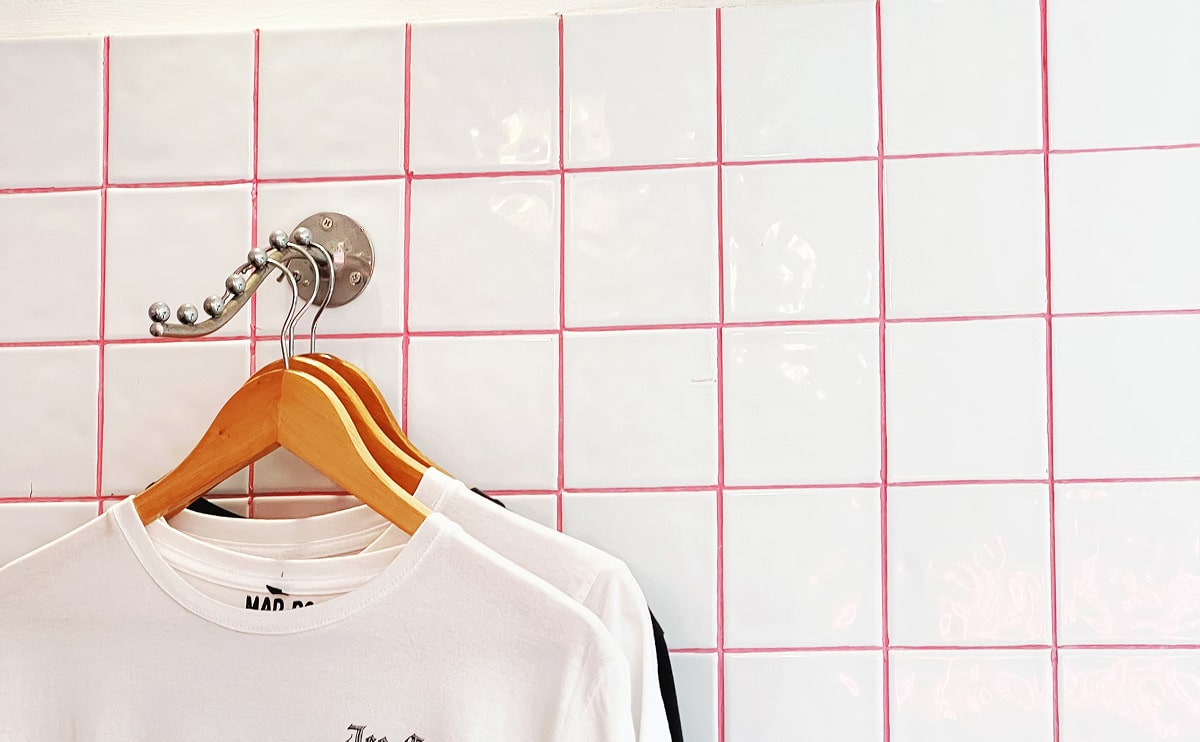
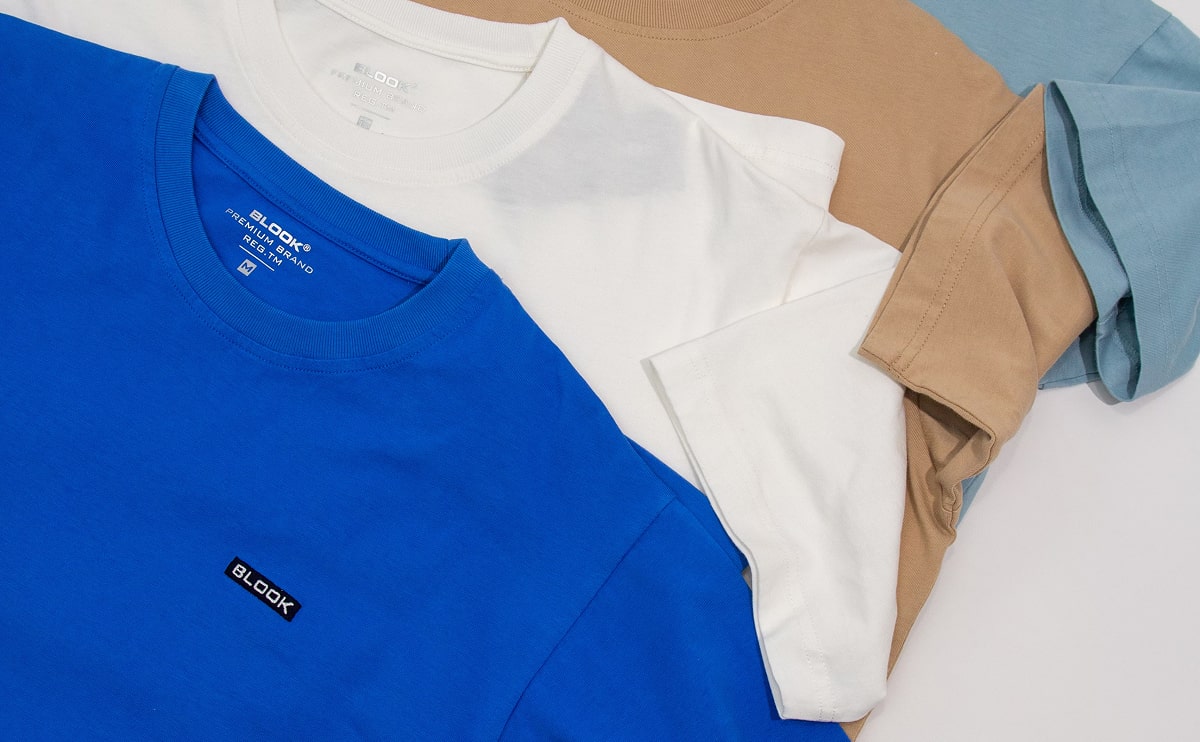
Streetwear has become much more than just a trend. What started as a movement in the bustling streets of New York and Tokyo has transformed into a global culture. Today, streetwear is not just about sneakers, oversized tees, and hoodies—it is about identity, storytelling, and the values behind what you wear. Among the many waves of innovation in fashion, one stands out strongly: Arabic-inspired streetwear.
Arabic calligraphy, motifs, and cultural influences are finding their place in global fashion, redefining what streetwear can represent. At the center of this shift are brands like WRTN, born in Chennai, India, with the vision of merging tradition and modern style. This fusion of faith, culture, and contemporary design is changing the way people perceive streetwear across the world.
The Global Growth of Streetwear
Streetwear is no longer niche—it dominates the fashion industry. According to multiple fashion market studies, the streetwear industry is worth billions, and its influence touches both luxury houses and independent labels. What makes it unique is its authenticity. Streetwear isn’t dictated by fashion weeks alone; it comes alive through everyday people, community-driven creativity, and cultural relevance.
Unlike fast fashion, streetwear thrives on limited releases, exclusivity, and cultural significance. This creates not just clothing, but collectible pieces that tell a story. For Arabic-inspired streetwear, that story is deeply connected to faith, identity, and heritage.
The Power of Arabic Calligraphy in Fashion
Arabic calligraphy is one of the most visually striking forms of design. Its curves, flow, and artistry make it more than just text—it is an art form. For centuries, Arabic calligraphy has been used to decorate manuscripts, mosques, and cultural spaces. Bringing it into fashion gives it a fresh, modern platform.
In streetwear, calligraphy becomes more than decoration—it becomes a voice. When printed on oversized tees, hoodies, or sweatshirts, it connects the wearer with values of spirituality, culture, and heritage. It makes fashion not just about aesthetics, but about meaning.
Modesty Meets Streetwear
A major reason why Arabic-inspired fashion resonates globally is its alignment with modest fashion. Oversized t-shirts, hoodies, and loose fits are not only trendy but also modest, allowing people to stay fashionable while staying true to their lifestyle and beliefs.
This intersection between modesty and modern streetwear is powerful. It proves that you don’t need to compromise values for style. Instead, fashion can serve both—empowering people to look good and feel authentic at the same time.
The WRTN Approach
At WRTN, the goal has always been clear: to blend Arabic aesthetics with the boldness of modern streetwear while staying rooted in halal values. Founded in Chennai, India, WRTN is not just creating clothes—it’s creating identity.
Every oversized tee, sweatshirt, or hoodie is designed to reflect comfort, quality, and meaning. The Arabic-inspired graphics are not just prints; they are statements. They bridge the gap between tradition and modern expression, giving today’s youth a chance to represent their faith and individuality through fashion.
WRTN’s philosophy is simple: clothing should be expressive, modest, and conscious. Each piece is a wearable story that balances culture with creativity.
Why Arabic-Inspired Streetwear is Trending Globally
Several reasons explain why Arabic-inspired streetwear is gaining traction worldwide:
- Cultural Pride – People want fashion that represents who they are and where they come from.
- Unique Aesthetics – Arabic calligraphy and motifs stand out with their visual elegance.
- Global Streetwear Demand – With oversized and minimalist designs trending, Arabic-inspired collections naturally align with global fashion preferences.
- Values and Identity – In an age where people care about conscious living, faith-based fashion that reflects halal values resonates deeply.
The combination of these factors makes Arabic-inspired streetwear more than just a passing trend. It’s a movement.
Streetwear as Identity and Self-Expression
Fashion has always been a way to communicate identity. Streetwear, especially, has thrived on this idea. It allows individuals to express who they are, what they stand for, and what communities they belong to.
Arabic-inspired streetwear amplifies this by connecting people not only to a culture but also to a lifestyle. It gives the wearer a chance to proudly represent modesty, creativity, and faith—values often overlooked in mainstream fashion.
When someone wears a WRTN oversized tee with bold Arabic typography, they’re not just wearing a design—they’re making a statement: This is who I am.
The Role of Exclusivity
Another unique aspect of streetwear culture is exclusivity. Limited drops and small-batch collections create a sense of belonging. When you wear WRTN, you’re not just buying clothing—you’re part of a community.
This sense of exclusivity creates value beyond fabric and stitching. Each release feels special, each design feels meaningful. That’s why Arabic-inspired streetwear resonates: it isn’t mass-produced fast fashion, but carefully crafted apparel with depth.
The Future of Arabic Streetwear
Looking forward, Arabic-inspired streetwear has enormous potential. As the demand for modest fashion grows globally, and as people search for authenticity in clothing, brands like WRTN are perfectly positioned to lead the movement.
The future will see even more collaborations, cultural storytelling, and expansion into new categories—from bottom wear to accessories. Arabic-inspired streetwear won’t just be a subculture—it will become a central pillar of global streetwear fashion.
Conclusion: More Than Fashion
Arabic-inspired streetwear is more than a look. It is culture, identity, and faith stitched into every piece. It represents a balance of tradition and modernity, of modesty and boldness, of individuality and community.
Brands like WRTN are proving that fashion doesn’t need to compromise values—it can amplify them. Every oversized tee, every hoodie, every graphic is a step towards redefining what it means to wear your culture with pride.